
NMC CBME & MUHS Compliant Peer-Reviewed Clinical Vault • GMC Chhatrapati Sambhajinagar

Category: Student Life

Productivity, burnout recovery and the reality of medical school.

  • How to Study 10 Hours a Day in MBBS (Without Burning Out)

    ✅ Clinically Verified MBBS Resource • Written by Shrikant Bhosale (GMC Aurangabad) • NMC CBME Aligned

    Let’s be honest: most students who claim they “study 10 hours” are counting nine hours of sitting with a book open and one hour of actual retention. The goal isn’t ten hours logged — it’s ten hours held, and you only get there by changing how you study, not just how long.

    During MBBS you’re juggling lectures, postings, case presentations and exams. Here’s the system that survives a real medical timetable.

    The uncomfortable truth about hours

    Medical studying is a retrieval problem, not a reading problem. You reread a chapter, feel familiar with it, and then blank out in the exam. Familiarity is not knowledge. Everything below exists to force retrieval instead of passive re-reading.

    Build a realistic day, not a fantasy one

    Block Posting day Holiday / exam leave
    MorningWard / OPD postings2 focused blocks (2 × 50 min)
    AfternoonPostings + notesDeep-work block on a hard subject
    Evening2–3 focused blocks + PYQsMCQ practice + second revision
    NightAnki + light revision, then sleepAnki + weekly review

    On posting days, six genuinely focused hours beats an exhausted ten. On holidays, stack four to five deep blocks and you’ll hit the “10-hour” number with retention.

    The core methods that make hours count

    1. Active recall (the non-negotiable)

    After every topic, close the book and write down everything you remember, then check what you missed. Feed the missed items into your review. This is uncomfortable — which is exactly why it works.

    2. Spaced repetition with Anki

    Start Anki in first year and never stop. Make your own cards (making them is half the learning) and review daily. Twenty minutes a day compounds into hundreds of retained facts by exam time.

    3. Previous-year questions (PYQs)

    PYQs tell you what the examiner values. Solve them subject-wise as you study, then mixed in the run-up to the exam. If you’re still building your foundation, start with my first-year MBBS book list.

    4. Pomodoro for the mind, 50/10 for the body

    Use 50-minute focused blocks with 10-minute breaks. No phone in the room. After four blocks, take a longer break with movement and food.

    5. Teach it to pass it

    Explain a topic out loud to a friend or an empty chair. If you can’t explain it simply, you don’t understand it yet — go back.

    Energy management beats willpower

    • Sleep 7–8 hours. Sleep deprivation destroys overnight memory consolidation. A tired student “studying” ten hours learns less than a rested one studying six.
    • Move daily. Even a 20-minute walk dramatically improves focus.
    • Eat properly. Skipping meals to study is a false economy; your brain runs on fuel.
    • Guard your peak hours. Study your hardest subject when you’re naturally sharp, not at 11 pm when you’re foggy.

    Burnout warning signs — take them seriously

    • Studying more but learning less, week after week.
    • Sleep problems, irritability, dread of the library.
    • Feeling behind even after long days.

    If this sounds familiar, take a step back and re-read my NEET PG preparation strategy — a realistic plan beats an exhausting one. Recovery isn’t weakness — it’s maintenance on the instrument you need for the next 30 years.

    A weekly review that keeps you honest

    1. Every Sunday, list what you covered and what you failed to finish.
    2. Check your Anki retention — if it’s dropping, your cards are too dense.
    3. Do one timed test. Track accuracy, not ego.
    4. Adjust the next week based on evidence, not vibes.

    Frequently asked questions

    Is it possible to study 10 hours a day in MBBS?

    On most normal days, no — postings take up too much time. Aim for six focused hours on posting days and stack up during holidays and study leave. Total retention matters far more than logged hours.

    How do I stop forgetting what I study?

    Shift from re-reading to active recall and spaced repetition. Test yourself after every topic and review with Anki. Familiarity is not the same as memory.

    How do I study with postings and exams at the same time?

    Protect two focused blocks on posting days, use your commute for audio revision, do PYQs in the evening, and go all-in on holidays. Consistency beats heroic all-nighters.

    Is Anki necessary in MBBS?

    It is not mandatory, but spaced repetition is the most efficient way to retain the volume of facts MBBS demands. Anki is simply the easiest tool to run it.
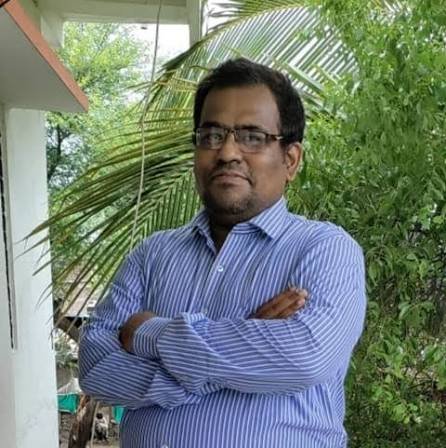
    Shrikant Bhosale — Final Year MBBS Student

    Written by Shrikant Bhosale

    Final Year MBBS Student at Government Medical College, Chhatrapati Sambhajinagar (Aurangabad), Maharashtra. I write the study, ward and career guides I wish existed when I started MBBS — grounded in the real NMC curriculum, real university exams and real ward experience. More about me →

    📌 Executive Summary & High-Yield Takeaways

    • Never attempt 10 continuous hours of passive reading: It results in cognitive fatigue and zero retention.
    • Use the 50/10 Pomodoro or 90-minute ultradian rhythm cycles with active recall drills.
    • Morning routine: Dedicate 6:00 AM to 8:30 AM to heavy conceptual reading before hospital ward postings.
    • Physical health is cognitive performance: 7 hours of non-negotiable sleep, hydration, and 20 minutes of daily exercise prevent clinical burnout.

    Frequently Asked Questions (FAQ)

    Common questions asked by medical students regarding this topic:

    Q: Can an MBBS student study 10 hours daily without burning out?

    Yes, but only by structuring study sessions into active 90-minute blocks with deliberate recovery breaks, prioritizing active recall over passive highlighter reading, and protecting 7 hours of nightly sleep.

    Q: How do I balance hospital ward postings with self-study?

    Use hospital postings for active clinical learning: take histories, examine signs, discuss cases with residents. Study the theory corresponding to your current ward posting in the evening.

    Q: What should I do when I feel exhausted after a 12-hour duty?

    Do not force heavy textbook reading. Instead, do 30 minutes of low-friction active recall (Anki flashcards or 15 clinical MCQs) and sleep early to recharge.

    Shrikant Bhosale, Final Year MBBS Student

    Written by Shrikant Bhosale

    Final-Year MBBS Student at Government Medical College, Chhatrapati Sambhajinagar (Aurangabad), Maharashtra. Affiliated with Maharashtra University of Health Sciences (MUHS). Written to provide unbloated, peer-tested medical education resources grounded in real hospital ward practice and NMC CBME university examinations.

    View Author Profile & Clinical Postings • Editorial Standards • Submit Errata

  • Medical Student Burnout Recovery: An Evidence-Based Blueprint

    ✅ Clinically Verified MBBS Resource • Written by Shrikant Bhosale (GMC Aurangabad) • NMC CBME Aligned

    Burnout is not laziness and it is not weakness. It is a recognised occupational phenomenon defined by the World Health Organization as chronic workplace stress that has not been successfully managed, with three dimensions: exhaustion, cynicism, and reduced professional efficacy. Medical school is a textbook breeding ground for all three.

    If you are reading this because you feel like a machine that has stopped working, take it seriously. Here is what burnout looks like and an evidence-based way out.

    How to recognise burnout

    • Exhaustion that sleep does not fix, most days, for weeks.
    • Cynicism — detachment from patients, colleagues or study you used to care about.
    • Reduced efficacy — studying more but learning less; feeling behind constantly.
    • Physical signs — headaches, appetite change, frequent illness, disrupted sleep.
    • Emotional signs — irritability, dread, numbness or hopelessness.

    Step 1: Take a proper break (not a longer grind)

    The instinct is to push harder, which deepens the cycle. A short, deliberate break with real rest — sleep, food, movement, and time away from study material — is the first intervention, not a reward to earn.

    Step 2: Fix the biological foundations

    • Sleep: aim for 7–8 hours on a consistent schedule. Sleep is when memory consolidates; trading it away lowers learning and mood.
    • Movement: regular aerobic exercise has some of the strongest evidence for reducing burnout and low mood.
    • Nutrition: regular meals and reasonable hydration genuinely affect focus.
    • Caffeine and screens: cap both, especially after evening study.

    Step 3: Change how you study

    Step 4: Rebuild boundaries and connection

    • Protect at least one non-medical activity you enjoy each week.
    • Maintain friendships outside medicine.
    • Say no to the extra project when you are already at capacity.
    • Talk to someone — a friend, mentor or counsellor. Isolation deepens burnout.

    Step 5: Get professional help when you need it

    If low mood, anxiety or hopelessness persists for more than two weeks, or if you have thoughts of harming yourself, that is medical territory, not a willpower problem. Reach out to a mental-health professional, your college counsellor, or a trusted faculty member. In India, the Tele-MANAS helpline (14416) offers free mental-health support. Seeking help is a strength, not a career risk.

    Preventing the next episode

    1. Guard sleep as non-negotiable.
    2. Keep a weekly review so you notice slippage early.
    3. Schedule recovery, not just study.
    4. Keep at least one relationship and one hobby outside medicine.
    5. Watch the three burnout dimensions — exhaustion, cynicism, efficacy — as your warning system.

    Frequently asked questions

    How do I recover from medical student burnout?

    Start with real rest and sleep, then restore exercise, nutrition and boundaries, shift to active study methods, reconnect with people, and seek professional help if symptoms persist beyond a couple of weeks.

    Is burnout common among medical students?

    Yes. Meta-analyses report that a substantial proportion of medical students experience burnout, driven by workload, assessment pressure and disrupted sleep. It is a systemic issue, not a personal failing.

    When should a medical student seek professional help?

    If low mood, anxiety or hopelessness lasts more than two weeks, or if you have thoughts of self-harm, seek help promptly from a mental-health professional or your college counsellor. In India, Tele-MANAS (14416) provides free support.

    Can burnout affect my exams?

    Yes — exhaustion and reduced efficacy directly worsen concentration and memory. Treating burnout is therefore an academic intervention as much as a personal one.

    Shrikant Bhosale — Final Year MBBS Student

    Written by Shrikant Bhosale

    Final Year MBBS Student at Government Medical College, Chhatrapati Sambhajinagar (Aurangabad), Maharashtra. I write the study, ward and career guides I wish existed when I started MBBS — grounded in the real NMC curriculum, real university exams and real ward experience. More about me →

    Educational use only. This guide is written for medical students and is not medical advice. Clinical protocols, drug doses and guidelines change — always verify against the latest standard textbooks and official NMC / institutional guidance before applying anything in practice. Read the full disclaimer.

    📌 Executive Summary & High-Yield Takeaways

    • Medical student burnout is systemic, not a personal weakness: Caused by sleep deprivation, high exam stakes, and vicarious trauma in emergency wards.
    • The 3 dimensions of burnout: Emotional exhaustion, depersonalization (cynicism towards patients), and low personal accomplishment.
    • Active decompression: Set boundaries between hospital life and personal time; avoid taking hospital ward stress to your hostel room.
    • Peer support networks: Discussing difficult patient deaths and exam anxiety with batchmates reduces psychological isolation.

    Frequently Asked Questions (FAQ)

    Common questions asked by medical students regarding this topic:

    Q: What are the warning signs of medical student burnout?

    Persistent chronic fatigue, cynicism or emotional detachment towards patients, cognitive brain fog, insomnia, irritability with peers, and loss of interest in clinical medicine.

    Q: How can a medical student recover from burnout during postings?

    Take deliberate micro-breaks, protect 7 hours of sleep, establish firm boundaries around off-duty hours, engage in non-medical physical hobbies, and seek professional counseling if symptoms persist.

    Q: Where can Indian MBBS students find confidential mental health support?

    Most medical colleges now have student wellness committees. Additionally, national helplines like Tele-MANAS (14416) offer 24/7 free, confidential psychological support.

    Shrikant Bhosale, Final Year MBBS Student

    Written by Shrikant Bhosale

    Final-Year MBBS Student at Government Medical College, Chhatrapati Sambhajinagar (Aurangabad), Maharashtra. Affiliated with Maharashtra University of Health Sciences (MUHS). Written to provide unbloated, peer-tested medical education resources grounded in real hospital ward practice and NMC CBME university examinations.

    View Author Profile & Clinical Postings • Editorial Standards • Submit Errata