Burnout is not laziness and it is not weakness. It is a recognised occupational phenomenon defined by the World Health Organization as chronic workplace stress that has not been successfully managed, with three dimensions: exhaustion, cynicism, and reduced professional efficacy. Medical school is a textbook breeding ground for all three.
If you are reading this because you feel like a machine that has stopped working, take it seriously. Here is what burnout looks like and an evidence-based way out.
How to recognise burnout
- Exhaustion that sleep does not fix, most days, for weeks.
- Cynicism — detachment from patients, colleagues or study you used to care about.
- Reduced efficacy — studying more but learning less; feeling behind constantly.
- Physical signs — headaches, appetite change, frequent illness, disrupted sleep.
- Emotional signs — irritability, dread, numbness or hopelessness.
Step 1: Take a proper break (not a longer grind)
The instinct is to push harder, which deepens the cycle. A short, deliberate break with real rest — sleep, food, movement, and time away from study material — is the first intervention, not a reward to earn.
Step 2: Fix the biological foundations
- Sleep: aim for 7–8 hours on a consistent schedule. Sleep is when memory consolidates; trading it away lowers learning and mood.
- Movement: regular aerobic exercise has some of the strongest evidence for reducing burnout and low mood.
- Nutrition: regular meals and reasonable hydration genuinely affect focus.
- Caffeine and screens: cap both, especially after evening study.
Step 3: Change how you study
- Shift from long, low-focus hours to shorter, active sessions — see how to study effectively in MBBS.
- Use active recall and spaced repetition so that less time yields more retention, which reduces the feeling of being perpetually behind.
- Set a stopping time. Work that never ends is what burns people out.
Step 4: Rebuild boundaries and connection
- Protect at least one non-medical activity you enjoy each week.
- Maintain friendships outside medicine.
- Say no to the extra project when you are already at capacity.
- Talk to someone — a friend, mentor or counsellor. Isolation deepens burnout.
Step 5: Get professional help when you need it
If low mood, anxiety or hopelessness persists for more than two weeks, or if you have thoughts of harming yourself, that is medical territory, not a willpower problem. Reach out to a mental-health professional, your college counsellor, or a trusted faculty member. In India, the Tele-MANAS helpline (14416) offers free mental-health support. Seeking help is a strength, not a career risk.
Preventing the next episode
- Guard sleep as non-negotiable.
- Keep a weekly review so you notice slippage early.
- Schedule recovery, not just study.
- Keep at least one relationship and one hobby outside medicine.
- Watch the three burnout dimensions — exhaustion, cynicism, efficacy — as your warning system.
Frequently asked questions
How do I recover from medical student burnout?
Start with real rest and sleep, then restore exercise, nutrition and boundaries, shift to active study methods, reconnect with people, and seek professional help if symptoms persist beyond a couple of weeks.
Is burnout common among medical students?
Yes. Meta-analyses report that a substantial proportion of medical students experience burnout, driven by workload, assessment pressure and disrupted sleep. It is a systemic issue, not a personal failing.
When should a medical student seek professional help?
If low mood, anxiety or hopelessness lasts more than two weeks, or if you have thoughts of self-harm, seek help promptly from a mental-health professional or your college counsellor. In India, Tele-MANAS (14416) provides free support.
Can burnout affect my exams?
Yes — exhaustion and reduced efficacy directly worsen concentration and memory. Treating burnout is therefore an academic intervention as much as a personal one.
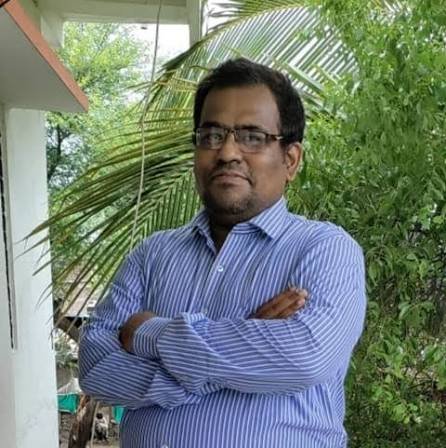
Written by Shrikant Bhosale
Final Year MBBS Student at Government Medical College, Chhatrapati Sambhajinagar (Aurangabad), Maharashtra. I write the study, ward and career guides I wish existed when I started MBBS — grounded in the real NMC curriculum, real university exams and real ward experience. More about me →
Educational use only. This guide is written for medical students and is not medical advice. Clinical protocols, drug doses and guidelines change — always verify against the latest standard textbooks and official NMC / institutional guidance before applying anything in practice. Read the full disclaimer.
📌 Executive Summary & High-Yield Takeaways
- Medical student burnout is systemic, not a personal weakness: Caused by sleep deprivation, high exam stakes, and vicarious trauma in emergency wards.
- The 3 dimensions of burnout: Emotional exhaustion, depersonalization (cynicism towards patients), and low personal accomplishment.
- Active decompression: Set boundaries between hospital life and personal time; avoid taking hospital ward stress to your hostel room.
- Peer support networks: Discussing difficult patient deaths and exam anxiety with batchmates reduces psychological isolation.
Frequently Asked Questions (FAQ)
Common questions asked by medical students regarding this topic:
Q: What are the warning signs of medical student burnout?
Persistent chronic fatigue, cynicism or emotional detachment towards patients, cognitive brain fog, insomnia, irritability with peers, and loss of interest in clinical medicine.
Q: How can a medical student recover from burnout during postings?
Take deliberate micro-breaks, protect 7 hours of sleep, establish firm boundaries around off-duty hours, engage in non-medical physical hobbies, and seek professional counseling if symptoms persist.
Q: Where can Indian MBBS students find confidential mental health support?
Most medical colleges now have student wellness committees. Additionally, national helplines like Tele-MANAS (14416) offer 24/7 free, confidential psychological support.
Written by Shrikant Bhosale
Final-Year MBBS Student at Government Medical College, Chhatrapati Sambhajinagar (Aurangabad), Maharashtra. Affiliated with Maharashtra University of Health Sciences (MUHS). Written to provide unbloated, peer-tested medical education resources grounded in real hospital ward practice and NMC CBME university examinations.
View Author Profile & Clinical Postings • Editorial Standards • Submit Errata